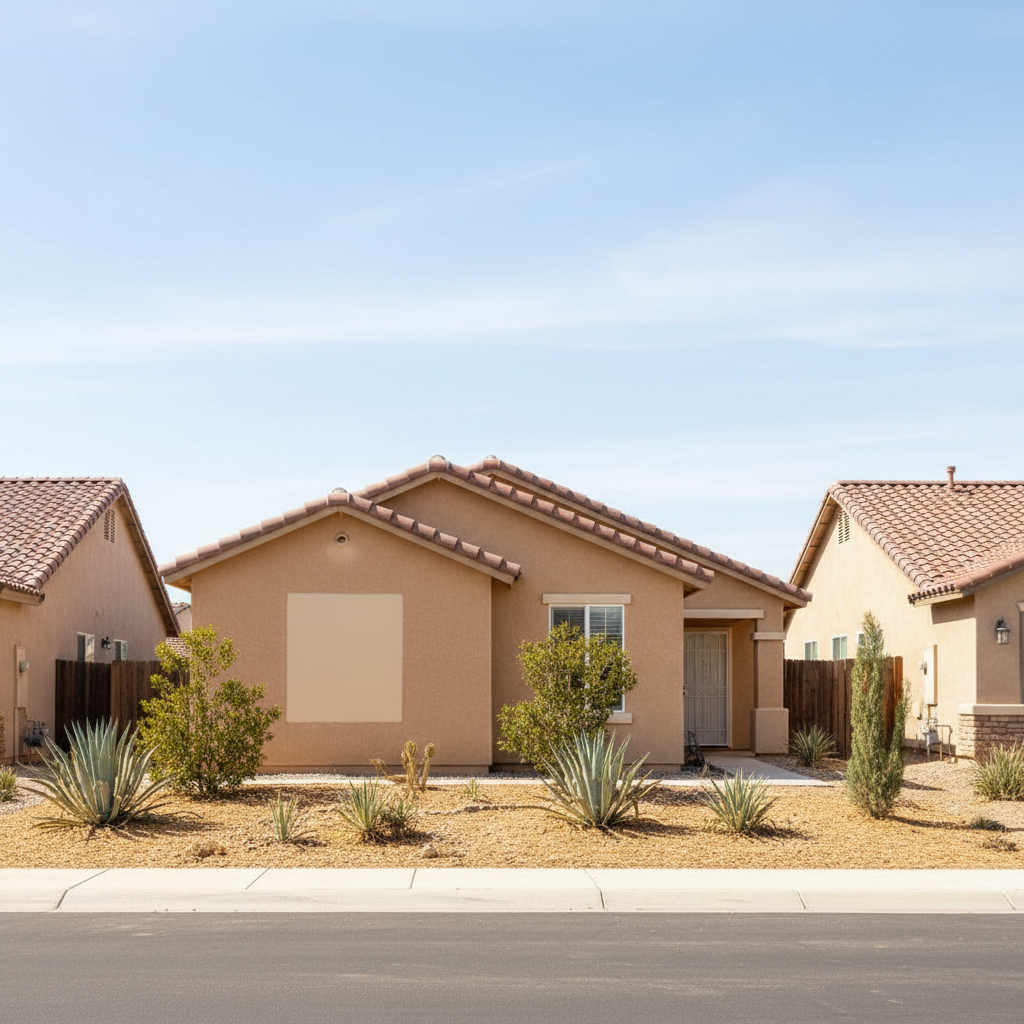
That Little Crack in Your Stucco? It's Talking to You.
You're just walking around your house, maybe watering the roses, and then you spot it – a tiny crack in your stucco. Or maybe it's a bigger one, a spiderweb pattern near a window. Your first thought might be, "Eh, it's just stucco, it cracks." And yeah, stucco does crack. It's a pretty rigid material, and houses settle, foundations shift, and the ground moves. But here in Fresno, especially with our clay soils and the way our weather swings from scorching summers to wet winters, those cracks aren't always just cosmetic. Trust me on this one.
I've been doing this a long time with Top Line Fresno Stucco, and I can tell you, a crack is often a symptom, not the problem itself. Ignoring it can turn a relatively simple fix into a much bigger, more expensive headache down the road. We see it all the time, from the older homes in Tower District to the newer builds out by Copper River Ranch – different issues, but the same principle applies.
What's Really Causing Those Cracks Around Here?
It's not always just a bad mix or a rushed job, though those definitely happen. Here's what we often find contributing to stucco problems in our area:
- Foundation Movement: This is a huge one in Fresno. Our expansive clay soils shrink when dry and swell when wet. This constant movement puts a lot of stress on your home's foundation, and that stress often shows up as cracks in your stucco, especially around windows and doors. You'll see diagonal cracks, or sometimes horizontal ones.
- Water Intrusion: This is probably the most damaging. A small crack can let water get behind the stucco. Once it's in there, it can rot wood framing, grow mold, and even damage the interior of your home. We see this a lot around poorly flashed windows, doors, or rooflines. That's why even a small crack needs attention – it's an open door for water, after all.
- Thermal Expansion and Contraction: Fresno's temperature swings are no joke. We can go from 110 degrees in August to 40 degrees in January. Materials expand and contract with temperature changes, and over time, this can stress stucco, leading to cracks.
- Improper Installation or Repairs: Sometimes, it's just that the original stucco wasn't put on correctly, or a previous repair wasn't done right. Maybe the lath wasn't fastened properly, or the stucco wasn't cured correctly. This can lead to delamination or widespread cracking.
Why Local Expertise Isn't Just a Buzzword
You might think stucco is stucco, no matter where you are. But I'm telling you, it's not. A contractor from, say, a coastal town isn't going to understand the specific challenges of Fresno's climate and soil conditions like someone who's worked here for decades. We know about the clay, we know about the intense sun, and we know how those factors affect stucco over time.
When I look at a crack on a house in, say, Fig Garden, I'm not just seeing a crack. I'm thinking about the age of the home, the typical construction methods used back then, the soil reports for that part of town, and what the weather's been like recently. That local knowledge helps me pinpoint the actual cause of the damage, not just patch over the symptom. It means we can recommend a repair that actually lasts, whether it's a simple patch, a re-stucco, or even pointing you to a foundation specialist if that's what's truly needed.
Don't let those little cracks turn into big problems. Get them checked out by someone who understands what's going on underneath the surface, right here in Fresno.